The short answer
A CCTV system records your cameras to a box in the house, and you look back at the footage after something happens. A smart camera system watches for you: its AI spots a person, sends an alert to your phone, and lets you see, talk and sound a siren from anywhere. Smart detection is also more accurate than the motion detection most CCTV systems use, and it keeps improving through automatic updates. For most GTA homes, a smart system does everything CCTV does and adds the part that matters most, which is knowing while it's happening.
Ask most people what a security camera does and they'll say it records. That's true, but recording is only half the job. Here's how traditional CCTV and modern smart cameras compare, where each one is strong, and why we recommend a smart system to most homeowners.
What Counts as a CCTV System Today?
CCTV stands for closed-circuit television. In a home, it usually means a set of cameras wired back to a recorder: a DVR for older analog cameras, or an NVR for newer network cameras, often powered through the same Ethernet cable (called PoE). The recorder sits in a closet or basement and saves video to a hard drive, often around the clock. Many newer systems also come with a phone app.
These systems are good at one thing: keeping a long record of what happened. The footage stays in the house, there's no monthly fee, and wired cameras don't depend on WiFi.
What a Smart Camera System Does Differently
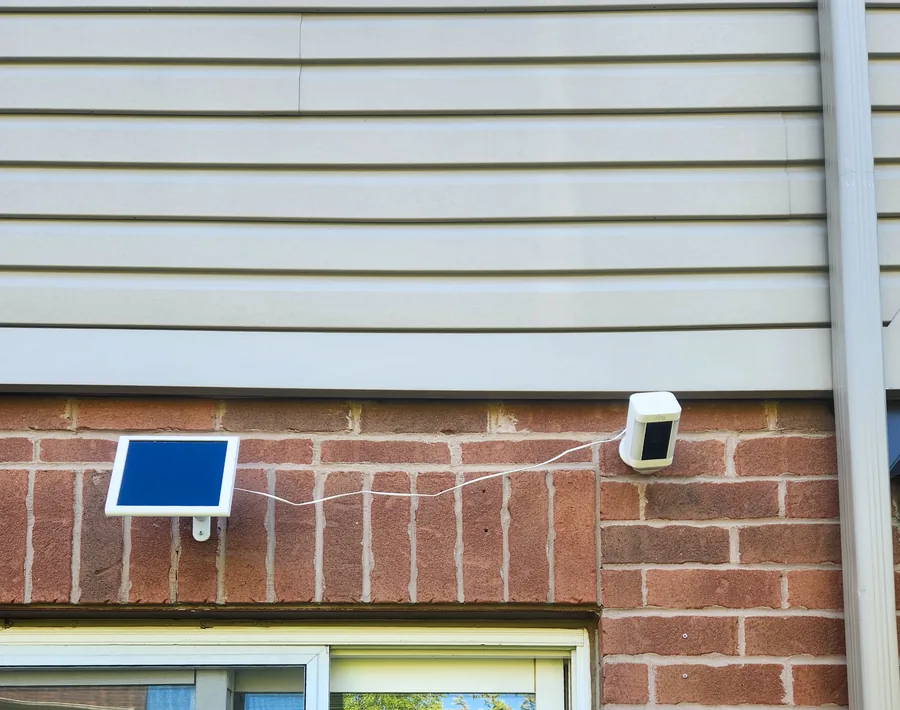
A smart camera system is built around your phone instead of a recorder. Cameras connect over WiFi and run on a wire, a battery or a small solar panel. Instead of only saving video, they react to it.
- AI alerts for people, vehicles and packages on your phone as it happens, depending on the model
- Live view and two-way talk, so you can speak to a delivery driver or tell someone to leave
- Spotlights, floodlights and sirens you can turn on from the app, on many models
- Cameras, doorbell and alarm in one app, so an alarm alert comes with video of what set it off
- Video saved in the cloud, on the camera or on a home base, depending on the brand you choose
- Easy to add a camera later, with no new cables through the walls
Motion Detection vs. AI Person Detection
A camera is only as useful as the alerts it sends. If it pings your phone every time a tree moves, you stop looking. If it only flags real people, you pay attention.
Basic motion detection, the kind most CCTV systems rely on, looks for changes in the picture. Anything that changes enough sets it off: a branch in the wind, car headlights, rain, snow, a spider web in front of the lens or a passing cat. That's why so many CCTV owners turn alerts off and only check footage after something happens.
Smart cameras use AI trained to recognise the shape and movement of a person. Instead of "something moved," you get "a person is at your back door." They can also recognise vehicles, packages and animals, so you choose exactly what you want to hear about.
Why smart camera detection is better
- Built for homes. Ring and Eufy design their detection around what a home camera actually sees: porches, driveways, backyards, deliveries and visitors. That's their whole business.
- Refined at a huge scale. Their software has been improved over years across millions of cameras in real homes, in every kind of light and weather.
- More than people. Depending on the model and plan, smart cameras tell people, vehicles, packages and pets apart, and some Eufy models even recognise familiar faces.
- Easier searching. Recordings are tagged as person, vehicle or package, so you find the moment in seconds instead of scrolling through hours of footage.
Smart Cameras Keep Getting Better
This is the part most people don't think about. Ring and Eufy cameras update themselves automatically over the internet. When the detection improves or a new feature is added, your cameras get it, with no new hardware and no technician visit. A camera you install today will be smarter a year from now.
A CCTV system works the other way. Its detection is built into the recorder and stays as it shipped. Updates, when they exist, usually have to be downloaded and installed by hand, and most homeowners never do it.
Recording vs. Watching: Why It Matters
Picture a break-in attempt at 2 a.m. With a recording-only setup, the cameras capture everything and you find out in the morning. Then someone has to scroll through hours of footage to find the moment. If the recorder was easy to find, it may have been taken too.
With a smart system, your phone alerts you the moment a person steps onto the driveway. You open the app, see them live, and can turn on the floodlight, sound the siren or speak through the camera. If you have an alarm with 24/7 monitoring, the monitoring station gets the signal as well. The video is still saved, but now it's the backup plan instead of the only plan.
That's the real difference. A recording tells you what happened. A smart system gives you a chance to change what happens.
CCTV vs. Smart Cameras at a Glance
| Compare | Typical CCTV system | Smart camera system |
|---|---|---|
| Main job | Records to a box in the house | Alerts you and records |
| What it detects | Mostly general motion | People, vehicles, packages and pets, depending on the model |
| Software updates | Manual, often never done | Automatic, keeps improving |
| Phone alerts | Basic, app varies by brand | AI alert with a clip and one-tap live view |
| Talk, lights and siren | On some models | Built in on many models |
| Finding a recording | Scroll through the timeline | Filter by person, vehicle or package |
| Works with an alarm | Usually a separate system | Same app as your alarm and doorbell |
| If the recorder is stolen | Footage can go with it | Cloud copies stay safe |
| Installation | Cables run through walls, attic or soffits | WiFi, usually done in a single visit |
| Monthly fee | None | Optional, from a few dollars a month |
Where CCTV Still Has an Edge
To be fair, wired recording systems have real strengths. They can record every second from every camera to a local drive with no plan, and a cable doesn't care how strong your WiFi is. Some newer recorders have also added person detection, though it's often limited to matching cameras and doesn't improve unless someone updates it. For a large property that needs weeks of continuous footage from many cameras, CCTV can still make sense.
Smart systems have closed most of that gap. Wired smart cameras can be set up to record continuously, for about $3 a month per camera on Ring or, on some Eufy models, to a home base with no plan. A mesh WiFi system keeps cameras at the back of the yard connected. And battery and solar cameras keep working through a power cut, which a wired recorder can't do without a backup power unit.
Why We Recommend Smart Cameras for Most Homes
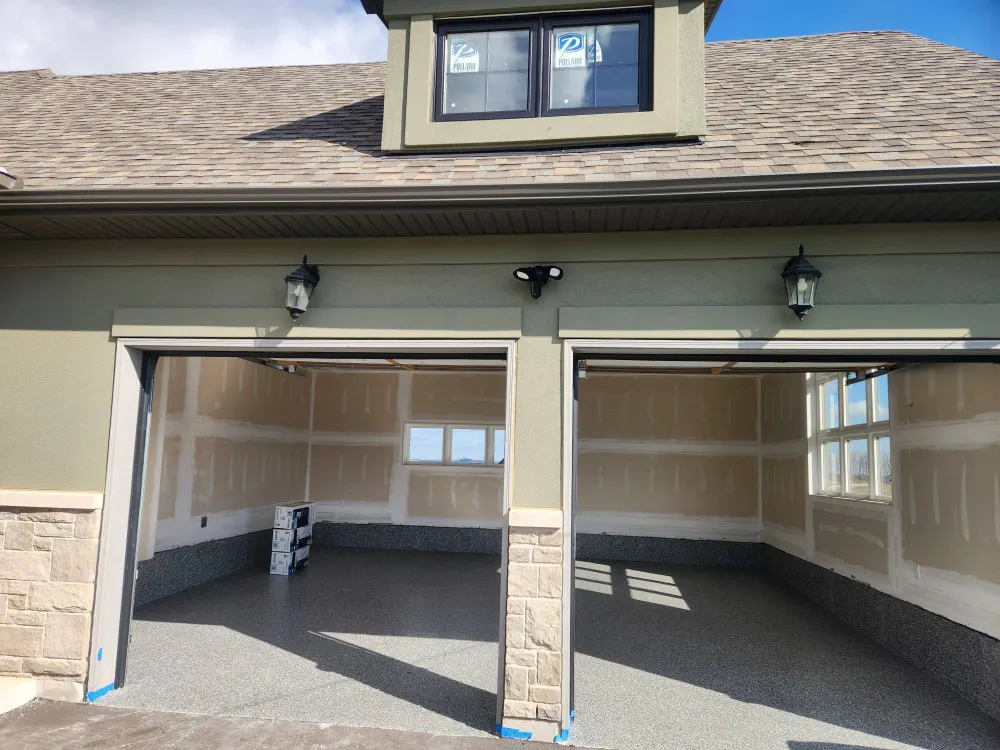
For a typical house or townhome in the GTA, a smart camera system is the better fit. You get AI detection that keeps getting smarter, alerts you can act on, one app for your cameras, doorbell and alarm, a cleaner install with no cables through the walls, and room to grow. You own the equipment, and the monthly plan is up to you.
We install modern security camera systems that do everything a CCTV system does and more. During a free assessment, we walk around your home, test the WiFi at every spot and recommend the right camera for each one. We also set up person alerts, motion zones and alert schedules before we leave. See our security camera installation page for camera types and specs.
Sources
Package prices come from our own price list and installs. The camera features and plans described here come from the manufacturers: