The short answer
Start outside. Outdoor cameras at the front door, driveway and side or back gates catch people before they reach the house, and a visible camera puts many of them off. Indoor cameras are a useful second layer for the entry hall, the basement or keeping an eye on pets, with privacy modes so they only record when you want them to.
Most homeowners we visit ask the same thing: do I need cameras inside, outside, or both? The answer depends on what you want them to do. Here's what each type is for, where it goes, and a sensible place to start.
What Outdoor Cameras Are For
Outdoor cameras do two jobs: they put people off, and they record anyone who comes onto your property, ideally with a clear view of their face. They also show you deliveries, visitors and the car pulling into the driveway.
They're weatherproof, with night vision, two-way talk and alerts when they spot a person or a car. The main types are:
- Video doorbells for the front door, so you can see and talk to whoever is there
- Standard outdoor cameras for the driveway, side gates and backyard
- Floodlight cameras, a bright light and a camera in one, connected to an existing outdoor light
- Solar cameras with a small panel that keeps the battery charged, for spots with no outlet
What Indoor Cameras Are For
Indoor cameras show you what's happening inside. They're handy for the front hall, the basement, or checking on the pets or a delivery left inside while you're out. Keep them to shared spaces, and use privacy modes so they only record when you want them to, for example when everyone has left the house.
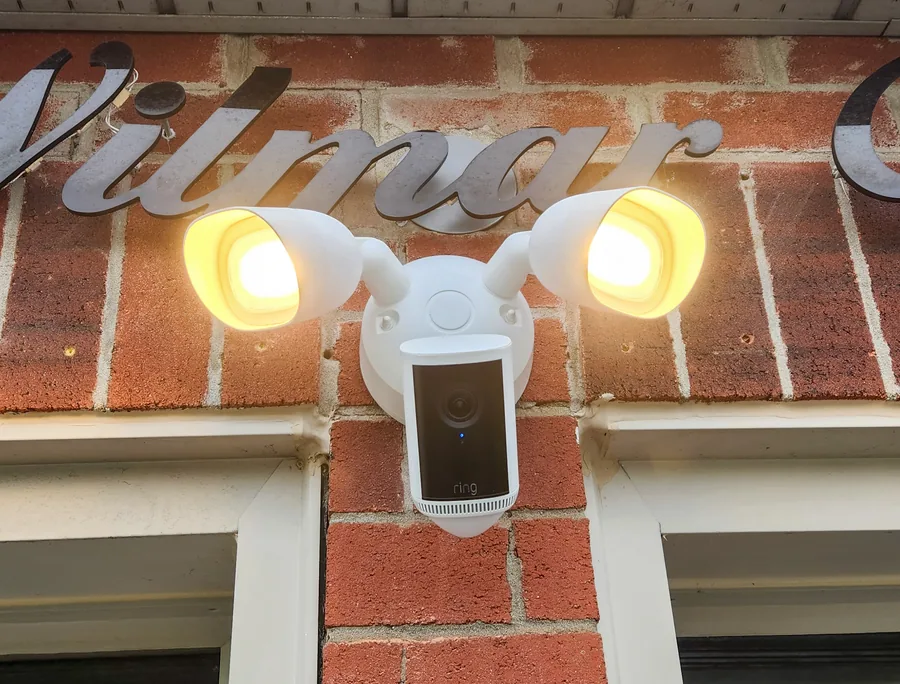
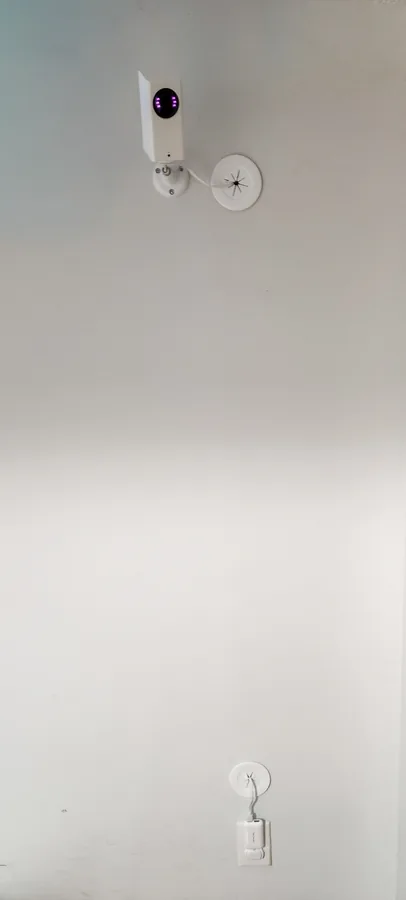
Indoor and Outdoor Cameras Side by Side
| Compare | Outdoor cameras | Indoor cameras |
|---|---|---|
| Main job | Spot people before they reach the door | See what happens inside |
| Built for | Rain, snow and cold | Indoor use only |
| Power | Battery, solar, wired, or wired with battery backup | Usually plugged into an outlet |
| Privacy | Angles and privacy zones leave out your neighbours | Privacy modes so they record only when you want |
| Best spots | Front door, driveway, side gates, backyard | Entry hall, basement, main living area |
Where to Put Your First Cameras
Most visitors, deliveries and break-in attempts start at the front, so begin there and work back:
- Front door: a video doorbell
- Driveway: a standard or floodlight camera
- Side gates and back door: the places a neighbour can't see from the street
- Inside: an indoor camera facing the main entry or basement stairs, once the outside is covered
Mount outdoor cameras out of easy reach, but low enough to see faces. Mounted too high, they mostly record the tops of hats. And check the Wi-Fi signal at each spot first. If it's weak, mesh Wi-Fi keeps the backyard and garage cameras connected.
Where to Start on a Budget
A video doorbell and two outdoor cameras cover the front door, the driveway and one side or the back of most homes. That's our Camera Starter package, at $499 before HST including installation. An indoor camera can be added any time.
Privacy: Yours and Your Neighbours'
Point outdoor cameras at your own property. Privacy zones block out parts of the picture, like a neighbour's windows or yard. Indoors, privacy modes let you switch recording off while you're home. You can also share access with family, so everyone sees the same alerts.
Saving Your Video
Live view and alerts work with no monthly fee. To save and look back at recordings, you can add a plan from a few dollars a month, or, with some cameras, store video at home on a base station with no plan.