The short answer
For most GTA homes, a smart alarm is the better choice. You own it, there's no contract, it works with your cameras and doorbell in one app, and 24/7 monitoring with cellular backup costs about $30 a month instead of the $40 to $80 traditional companies typically charge. You also get a monitoring certificate for your home insurer.
Traditional alarm companies have protected homes for decades, and they do it well. But the way people use security has changed. We want to see what's happening on our phones, not just hear a siren and wait for a call. Here's an honest look at both options and why we recommend a smart alarm to most homeowners.
How a Traditional Alarm Company Works
A traditional system has a control panel, a keypad, door and window sensors, motion sensors and a siren. When the alarm goes off, it signals a monitoring station that calls you and can send help. You typically sign a contract of 3 years or more and pay $40 to $80 a month. The equipment is often tied to that contract, and cameras are usually a separate product or an extra fee.
How a Smart Alarm Works
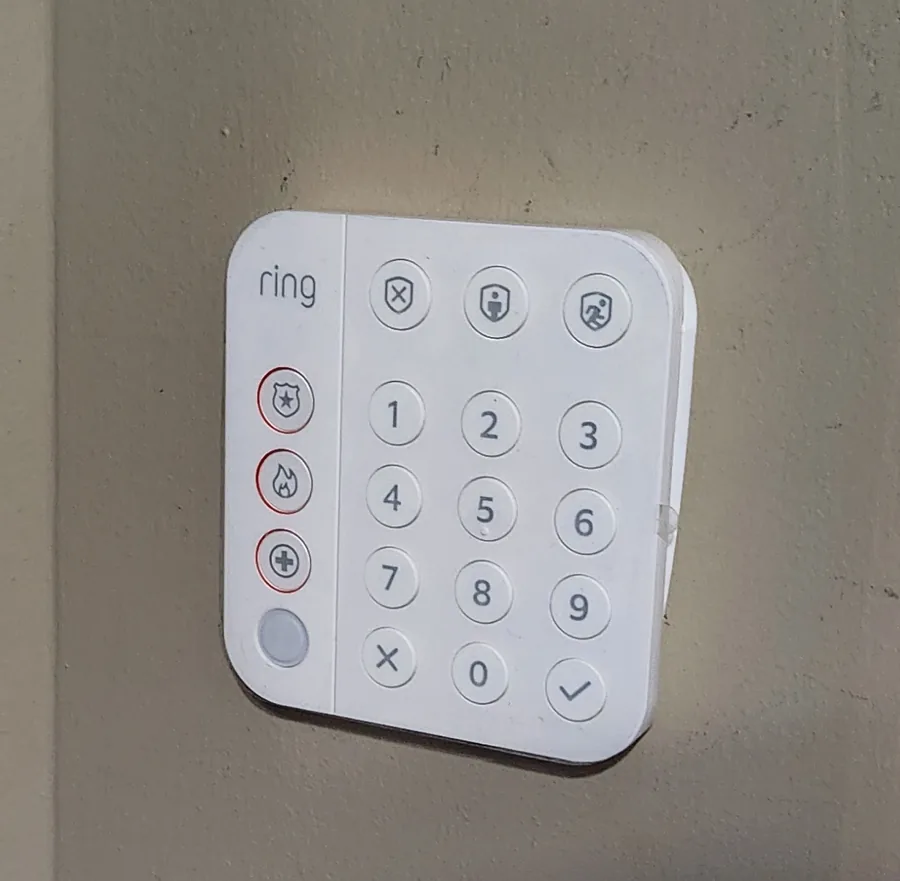
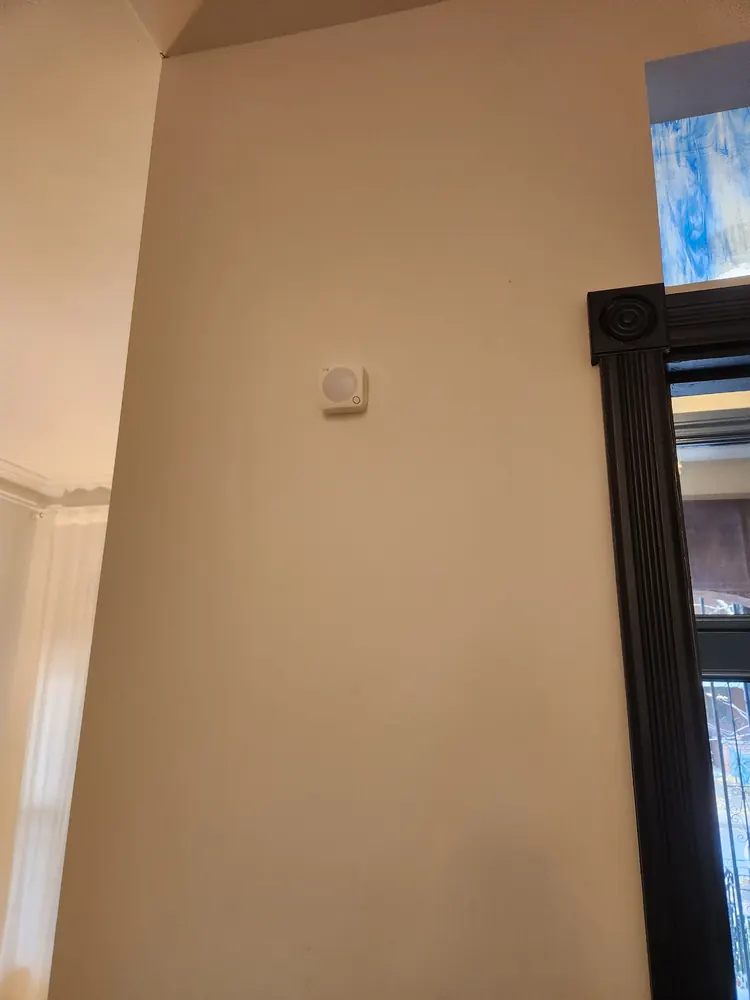
A smart alarm has the same core parts: a base station, a keypad, door and window sensors, motion sensors and a siren. The difference is that it's built around an app. You arm and disarm from your phone, get an alert the moment a door opens, and see your cameras in the same app.
You choose how it's monitored. With self-monitoring, alerts go to your phone at no monthly cost. With 24/7 professional monitoring, a monitoring station watches your alarm day and night and can send help, with cellular backup in case your internet goes down. The base station has a built-in battery, so it keeps running in a power cut.
Side-by-Side Comparison
| Compare | Smart alarm | Traditional alarm company |
|---|---|---|
| 24/7 monitoring | About $30 a month | Typically $40 to $80 a month |
| Contract | None | Usually 3 years or more |
| Equipment | Yours from day one | Often tied to the contract |
| No-fee option | Self-monitoring in the app | Depends on the company |
| Cameras | Same app as the alarm | Often a separate system or fee |
| Cellular backup | Included with 24/7 monitoring | Common |
| Monitoring certificate for insurance | Yes | Yes |
| Adding a sensor | Pair it in the app | Often a technician visit |
What About ULC Listing?
ULC listing is a Canadian standard for monitoring stations. It mostly matters for businesses: commercial insurers and some commercial buildings ask for it. For a home, most insurers simply want proof that your alarm is monitored 24/7, and a monitoring certificate does that. Our monitoring isn't ULC-listed, and for most homes it doesn't need to be. You'll find more on this in our guide to 24/7 monitoring vs. self-monitoring.
Why We Recommend a Smart Alarm for Most Homes
- You see what's happening. When the alarm goes off, you can open the app and check your cameras in seconds, instead of waiting for a phone call to find out whether it's a break-in or the dog.
- It costs less over time. At about $30 a month instead of $40 to $80, a smart alarm with monitoring usually costs less after a few years, and the system is yours.
- You're in control. Arm it from anywhere, give a cleaner their own code, and get an alert when the kids get home.
- It's flexible. Start with self-monitoring, add 24/7 monitoring before a long trip, or cancel the plan whenever you like.
- It grows with you. Add a camera, a water leak sensor or a smart lock later, all in the same app.
Questions to Ask Before You Sign Anything
- How long is the contract, and what does it cost to cancel early?
- Who owns the equipment when the contract ends?
- Will the monthly price go up after the first term?
- Are cameras included, or are they a separate system and fee?
- Can I see and control everything in one app?
- Do I get a monitoring certificate for my home insurer?